








































































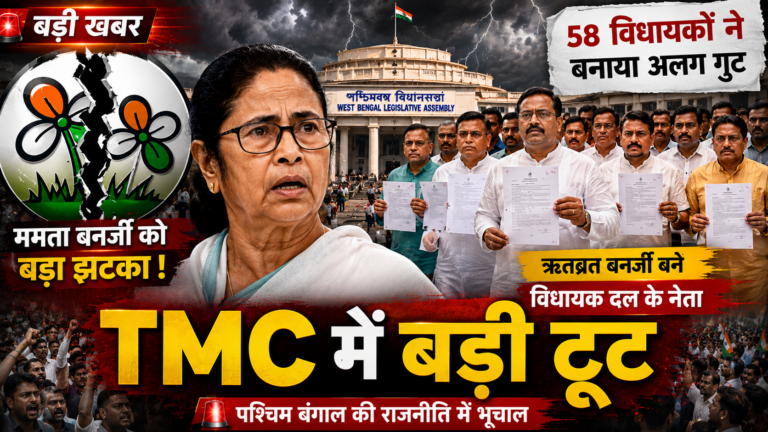
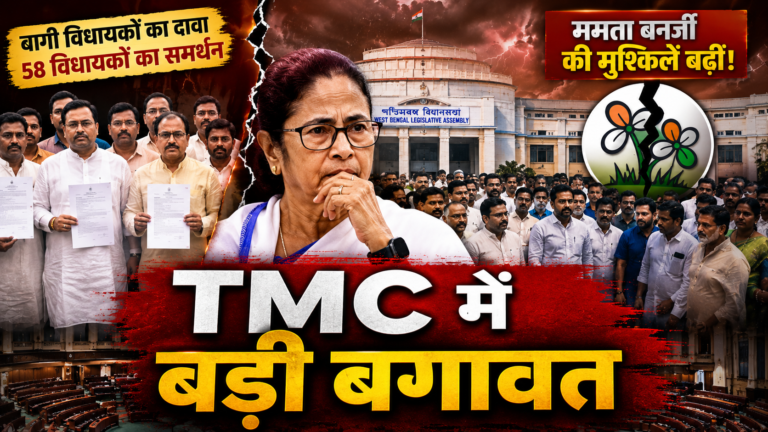

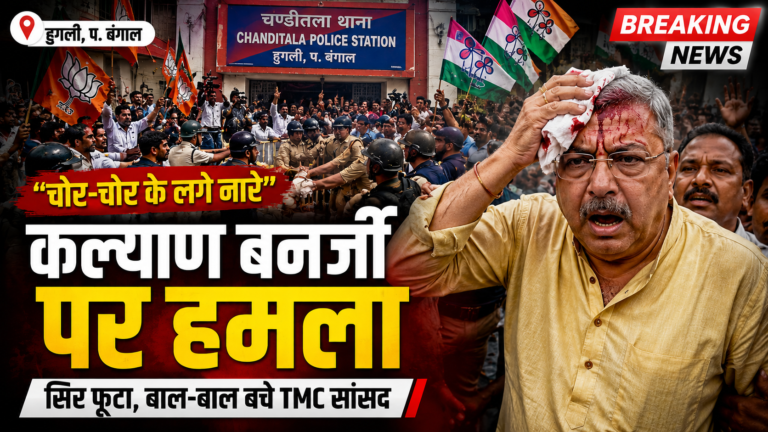
































































































































































































































































































































































The West Bengal Assembly Election 2026 has delivered a dramatic political shift, with Bharatiya Janata Party securing a major victory, ending years of dominance by All India Trinamool Congress.


After ruling the state since 2011, TMC faced a significant setback in 2026, as voters shifted decisively. Political observers suggest that multiple factors contributed to this outcome, reflecting growing dissatisfaction among sections of the electorate.
📉 Key Factors Behind TMC’s Defeat
Analysts highlight several major reasons that may have influenced the results:
- Allegations of corruption
- Extortion and “cut money” practices
- Syndicate culture
- Multiple scam controversies (including chit fund cases)
- Recruitment and education-related irregularities
- Lack of strong action against accused leaders
- Concerns over law and order
- Issues related to women’s safety
- Politicisation of administration and police
- Limited industrial growth
- Rising unemployment
- Minority appeasement narrative
- Strategic shift towards soft Hindutva
- Questions over infrastructure priorities
- Allegations of political favoritism and family dominance
- Claims of false legal cases against opponents
🌍 Shift in Political Landscape
The election results indicate a strong wave of change across districts. Reports suggest that TMC lost ground in several key regions, including parts of North Bengal and western districts, where BJP made significant gains.
There are also indications of shifting voter patterns, with consolidation of votes in favour of BJP playing a crucial role in the final outcome.
🗳️ A Turning Point for Bengal Politics
The 2026 verdict marks a major turning point in West Bengal’s political history. With this result, BJP has successfully translated its campaign momentum into electoral success, while TMC now faces the challenge of rebuilding its support base.