
































































































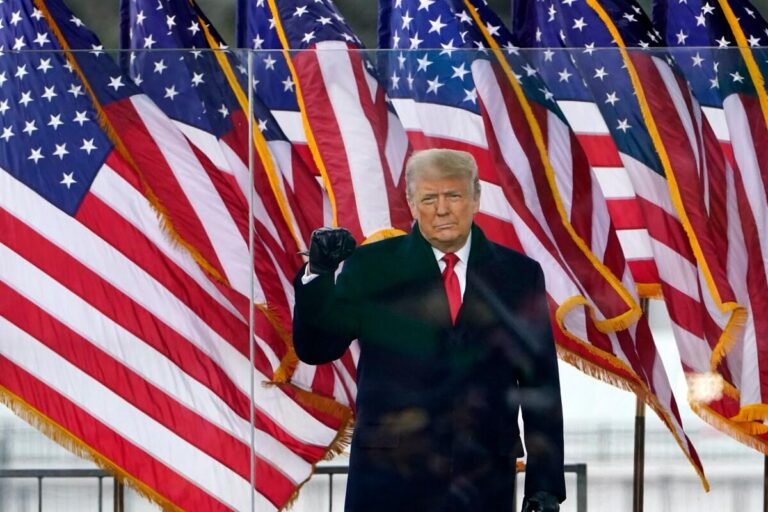





































































































































































































































































































U.S. President Donald Trump stated on Monday that the ongoing conflict involving Iran might end sooner than expected. However, he also warned that the United States could intensify military action if Iran attempts to disrupt global oil shipments through the crucial Strait of Hormuz.
The comments came amid rising geopolitical tensions in the Middle East and just a day after Iran appointed Ayatollah Mojtaba Khamenei as the country’s new supreme leader following the death of his father, Ayatollah Ali Khamenei.
Financial markets reacted immediately to the developments. Global oil prices briefly surged to their highest levels since 2022 before later retreating as investors began to speculate that the conflict might not escalate further.
Trump Signals Conflict Could Be Short-Lived
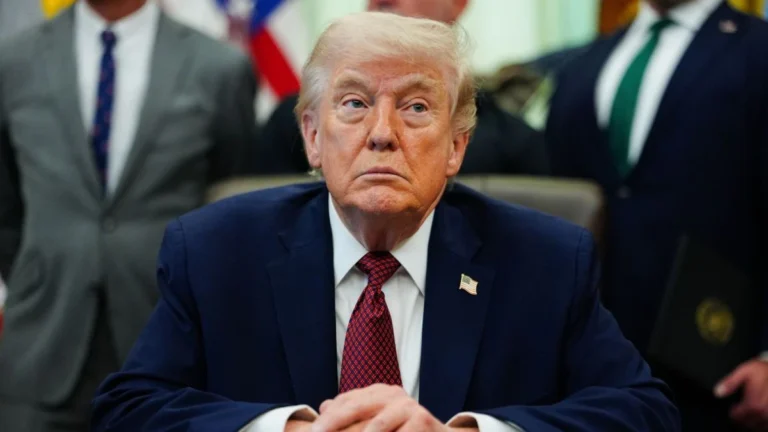
Speaking to Republican lawmakers at his golf club near Miami, Trump suggested that the military operation in the Middle East may not last long.
He described the intervention as a limited effort aimed at neutralizing security threats.
According to Trump, the United States is close to achieving its main objective — significantly weakening Iran’s ballistic missile capabilities and reducing its ability to produce and launch advanced weapons.
Despite this optimistic tone, the U.S. president later issued a much stronger warning through a social media post.
Warning Over Strait of Hormuz Oil Flow
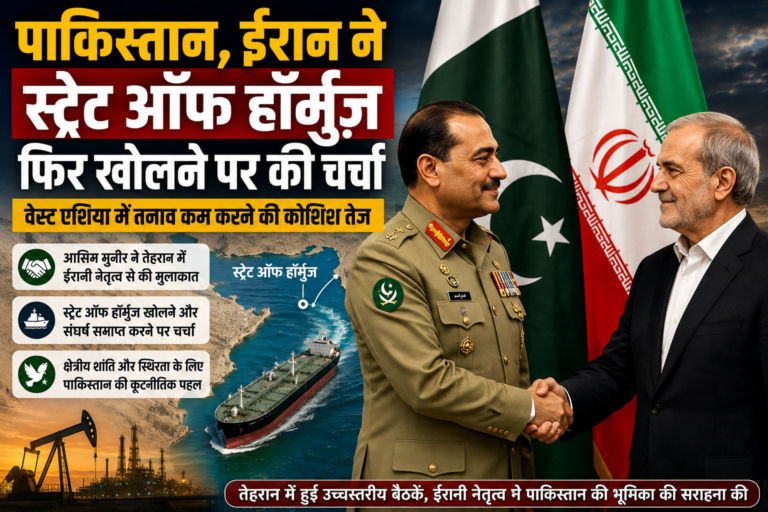
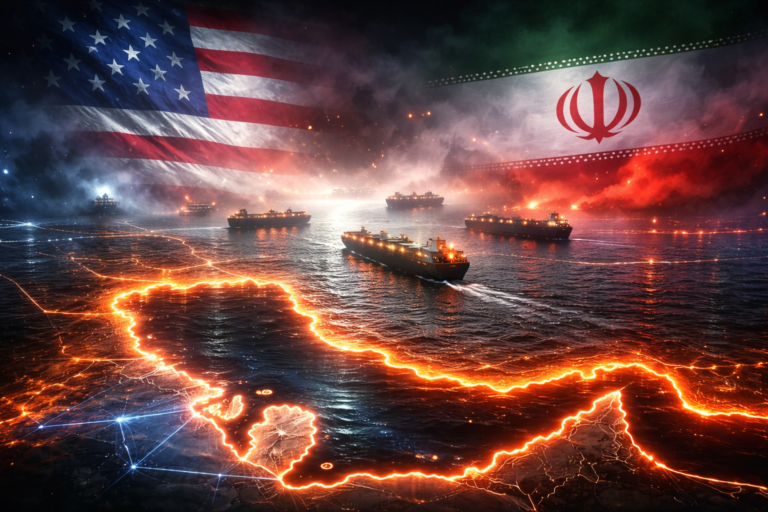
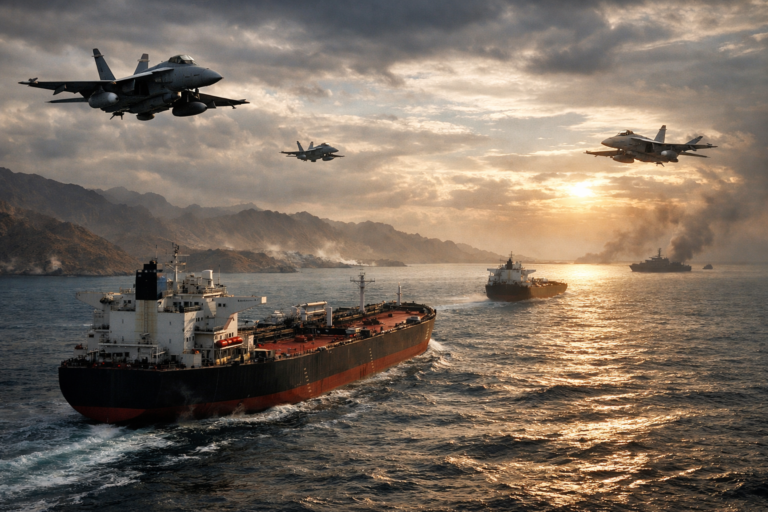
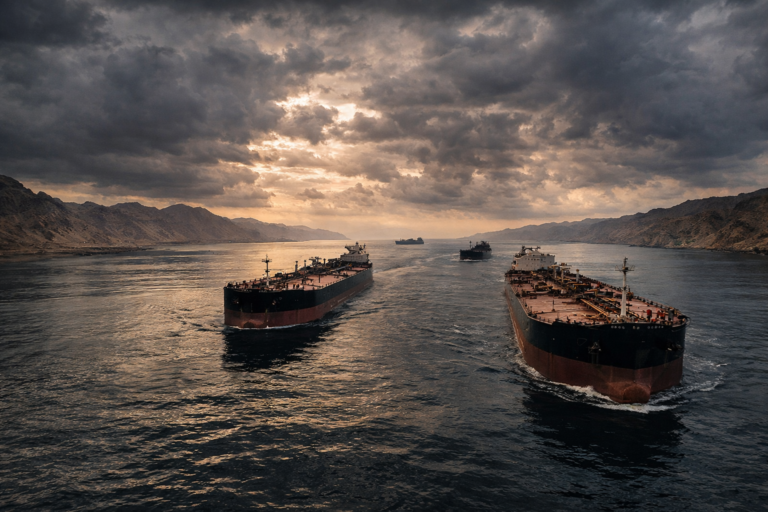
Trump said the United States would respond with overwhelming force if Iran interferes with oil shipments passing through the Strait of Hormuz, a strategic shipping route that carries roughly one-fifth of the world’s oil supply.
He warned that any attempt to halt oil traffic could trigger retaliation “twenty times stronger” than previous strikes.
The statement highlighted growing international concerns about disruptions to global energy supplies, which have already pushed fuel prices higher in several countries.
Iran Responds: “We Will Decide When the War Ends”
Iran quickly reacted to Trump’s remarks.
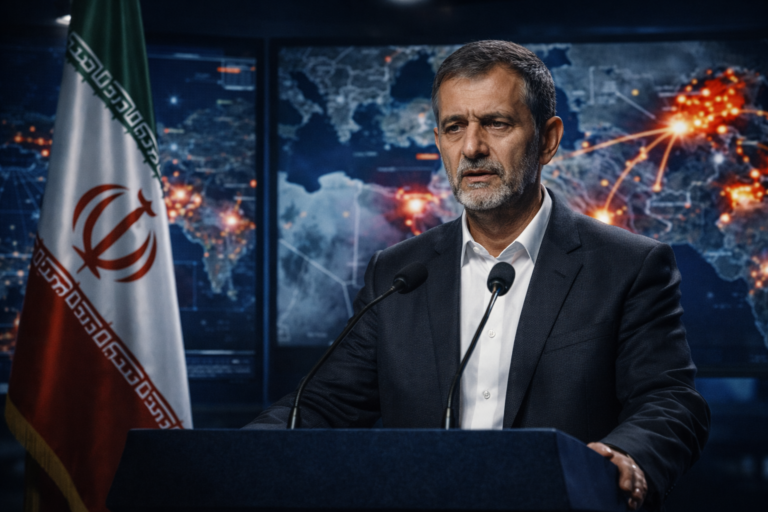
Ali Mohammad Naini, spokesperson for Iran’s powerful Islamic Revolutionary Guard Corps, said the country would determine when the conflict comes to an end.
Iranian officials have signaled readiness for a prolonged confrontation, especially following the selection of Mojtaba Khamenei as the new supreme leader.
The 56-year-old cleric is considered more hard-line than his father and maintains close ties with the Revolutionary Guard, the military organization leading many of Iran’s regional operations.
Intensifying Military Strikes
The war has already produced significant military activity across the region.
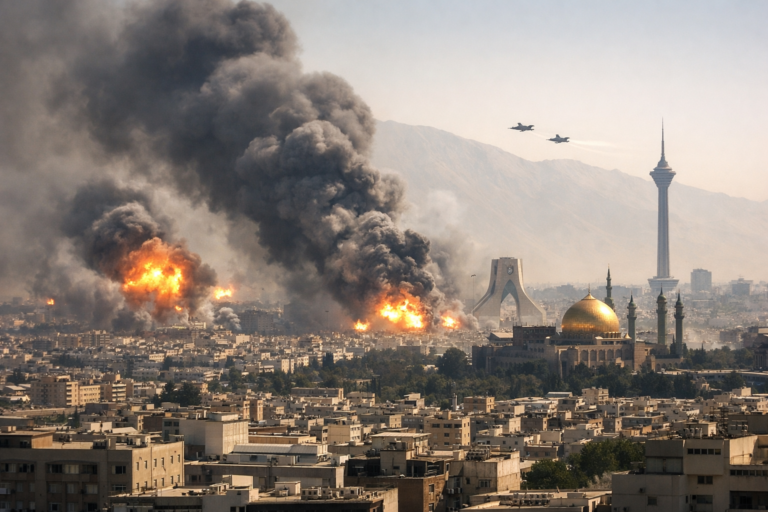
Explosions were reported in Tehran during what observers described as one of the most intense air raids since hostilities began on February 28.
Meanwhile, Israel announced it carried out a large wave of strikes targeting multiple Iranian locations, including the city of Isfahan and areas around the capital.
According to Israeli military officials, the attacks hit several strategic infrastructure sites, including a facility linked to Iran’s drone program operated by the Revolutionary Guard.
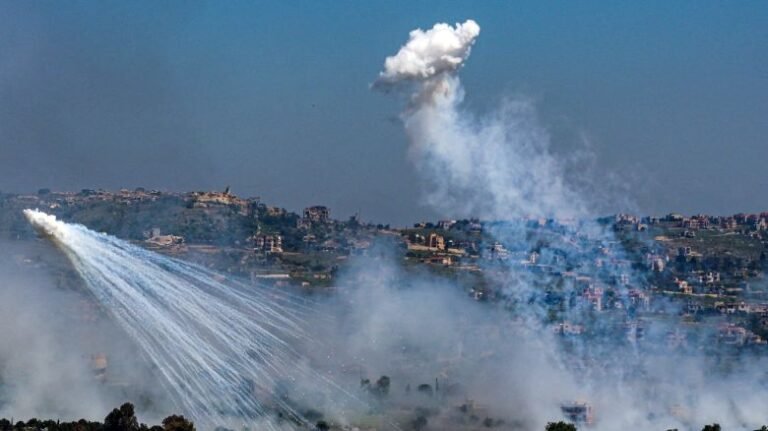
At the same time, Iran launched missiles toward Israel, while the Iran-backed group Hezbollah fired rockets from Lebanon.
Rising Tensions Across the Middle East
The conflict has also spilled into neighboring countries.
Iranian drones and missiles have targeted energy infrastructure and commercial shipping routes throughout the Gulf region.
Saudi Arabia accused Iran of carrying out a drone attack on its massive Shaybah oil field, warning that Tehran would suffer severe consequences if such attacks continue.
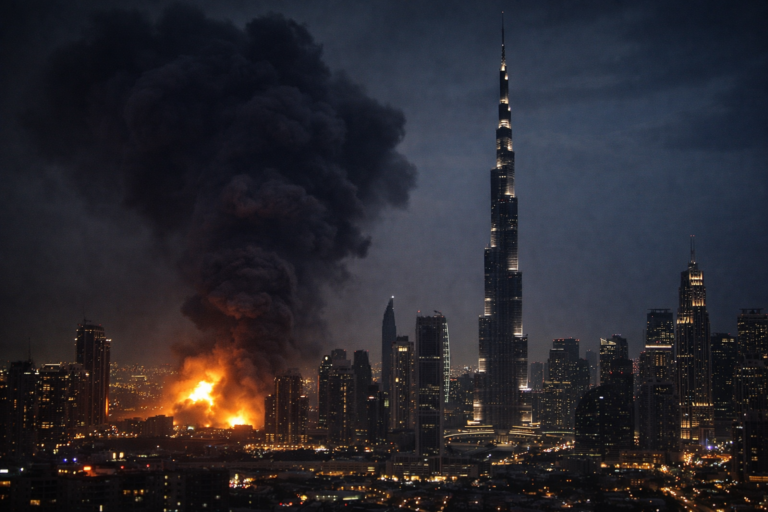
In the United Arab Emirates, authorities reported that fragments from intercepted missiles injured two people in Abu Dhabi.
Officials also said that 15 ballistic missiles and 18 drones were launched toward the country in a single day.
Meanwhile, attacks were reported in Kuwait, Qatar, and Bahrain, where one person was killed after a residential building in the capital Manama was struck.
Oil Markets React to Escalation
Global energy markets have reacted sharply to the conflict.
Oil prices surged close to $120 per barrel, the highest level in more than three years, before falling back toward $90 as hopes emerged that the war might end sooner than feared.
The Strait of Hormuz remains the focal point of concern for energy traders, as disruptions in the narrow shipping corridor could significantly impact global fuel supplies.
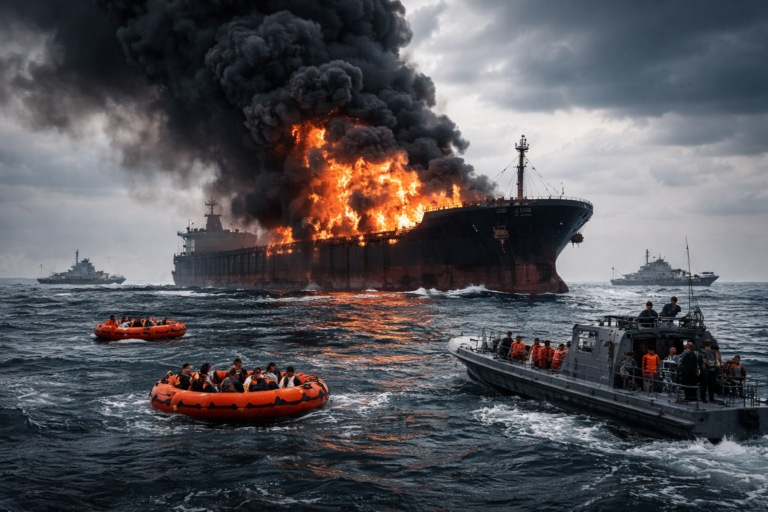
Several shipping companies have already reduced tanker traffic in the region after multiple attacks on merchant vessels.
According to the International Maritime Organization, at least seven mariners have died in recent attacks near the strait.
Diplomatic Efforts and International Response
Russian President Vladimir Putin held a phone conversation with Trump to discuss the conflict and possible diplomatic solutions.
According to Kremlin adviser Yuri Ushakov, Putin suggested potential political initiatives aimed at achieving a rapid settlement to the crisis.
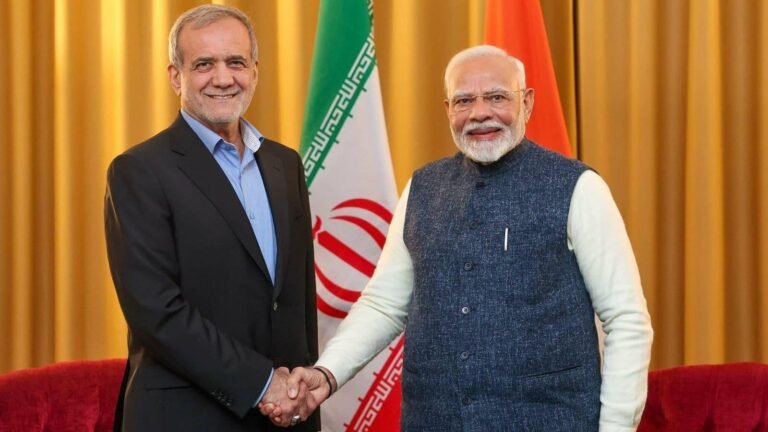
The Russian leader reportedly discussed these ideas with Gulf leaders and Iranian President Masoud Pezeshkian.
However, Iranian officials remain skeptical about diplomatic solutions.
Kamal Kharazi, a senior foreign policy adviser linked to the supreme leader’s office, stated that diplomacy is unlikely unless global pressure forces the United States and Israel to halt their military actions.
Civilian Impact and Casualties
The war has already resulted in significant human losses across multiple countries.
According to officials:
- At least 1,230 people have been killed in Iran
- Around 397 deaths reported in Lebanon
- 11 fatalities recorded in Israel
The United States has also lost seven service members during the conflict.
Millions of civilians across the region have sought shelter as airstrikes target military bases, infrastructure, and government facilities.
Many foreign workers and expatriates have also begun evacuating major business hubs in the Gulf.
Nuclear Concerns Remain
Despite heavy damage to Iran’s nuclear infrastructure from previous U.S. strikes, experts say the country still possesses highly enriched uranium that could potentially be used to develop nuclear weapons.
Analysts warn that the new supreme leader could pursue a more aggressive nuclear policy compared with his predecessor.
Israel has already described Mojtaba Khamenei as a potential military target, though Trump declined to comment on whether the United States would support such an operation.
Outlook for the Conflict
While Trump has expressed confidence that the war could end soon, Iran’s leadership appears prepared for a longer confrontation.
Military exchanges, energy disruptions, and escalating regional tensions suggest that the conflict could continue to affect global markets and geopolitics in the coming weeks.
The situation remains fluid as diplomatic efforts continue alongside ongoing military operations.