

























































































































































































































































































































































































🌊 Ancient oceans had unexpected rulers
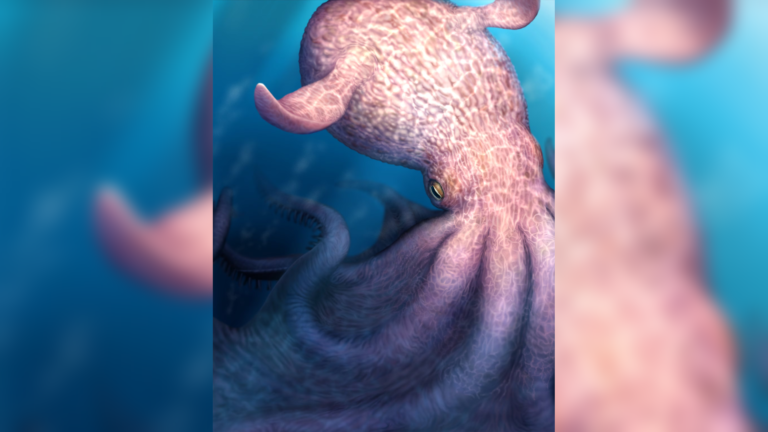
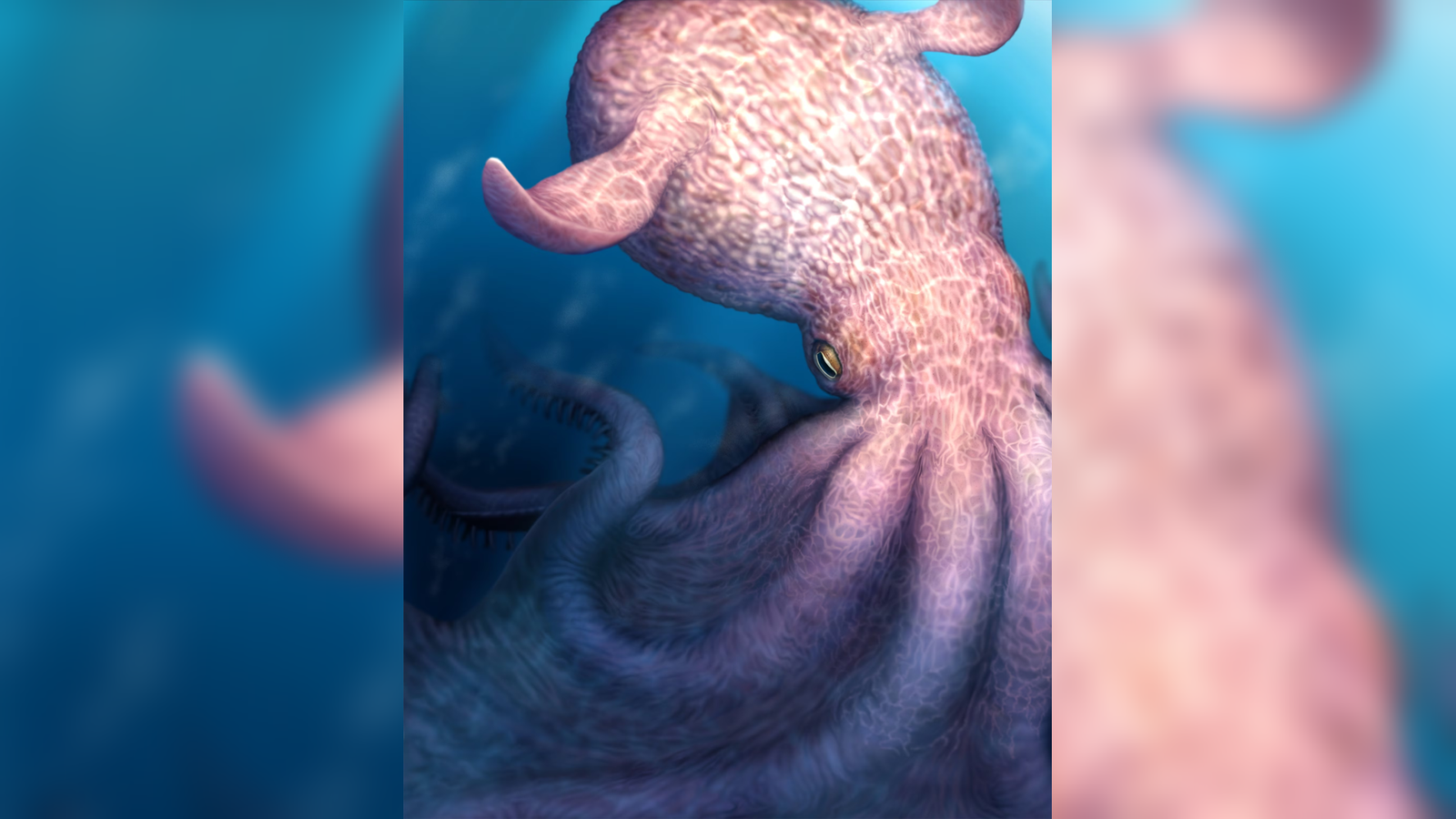
A fascinating new study suggests that giant Octopus may have been among the most powerful predators in ancient oceans around 100 million years ago, during the time of dinosaurs.
This discovery challenges the long-held belief that only vertebrates like marine reptiles and large fish dominated prehistoric seas.
🐙 How big were these octopuses?
Scientists studying fossilised jaws have estimated:
- Body length: 1.5 to 4.5 metres
- Total length (including arms): 7 to 19 metres
👉 This could make them the largest invertebrates ever discovered.
🦴 Powerful hunters with crushing jaws
Unlike modern perceptions of octopuses as soft-bodied creatures, these ancient giants were likely:
- Equipped with strong arms to पकड़ prey
- Had beak-like jaws to crush shells and bones
- Capable of hunting large fish and marine reptiles
👉 Their fossil jaws show uneven wear, suggesting they may have preferred one side while feeding — a sign of advanced brain function.
🧠 Intelligence even in ancient times
Modern octopuses are known for:
- Problem-solving skills
- Camouflage abilities
- Complex hunting techniques
👉 This study hints that even their ancient ancestors may have had high intelligence levels, helping them compete with top predators.
🌍 What makes this discovery important?
Research from Hokkaido University has reshaped how scientists view prehistoric marine ecosystems.
- Invertebrates were not just minor players
- They could dominate entire ecosystems
- Ocean food chains were more complex than previously thought
❓ Still a mystery
Despite these findings, many questions remain:
- What exactly did they eat?
- How fast could they swim?
- What did their full body look like?
👉 Scientists believe it may take years to fully understand these giant creatures.
This discovery opens a new chapter in understanding ancient oceans, suggesting that giant octopuses were not just survivors—but possibly top predators of their time.
👉 The deep sea still holds many secrets waiting to be uncovered.