




































































































































































































































































































































































































As Ramadan 2026 comes to an end, Muslims across the world are preparing to celebrate Eid ul Fitr, one of the most significant Islamic festivals. However, this year once again highlights a common global pattern—Eid is being observed on different days in different countries.
While several Middle Eastern nations are celebrating Eid on Friday, March 20, 2026, countries like South Africa, India, Pakistan, Malaysia, and Indonesia are set to observe it on Saturday, March 21, 2026.
Why South Africa Will Celebrate Eid on March 21
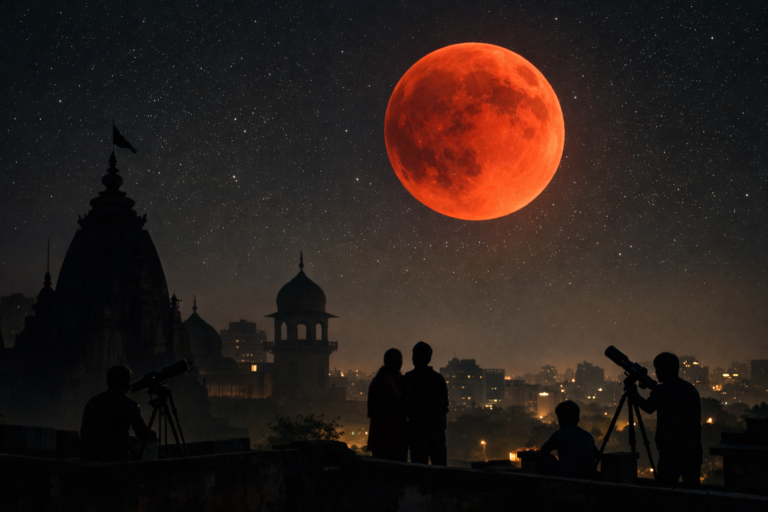
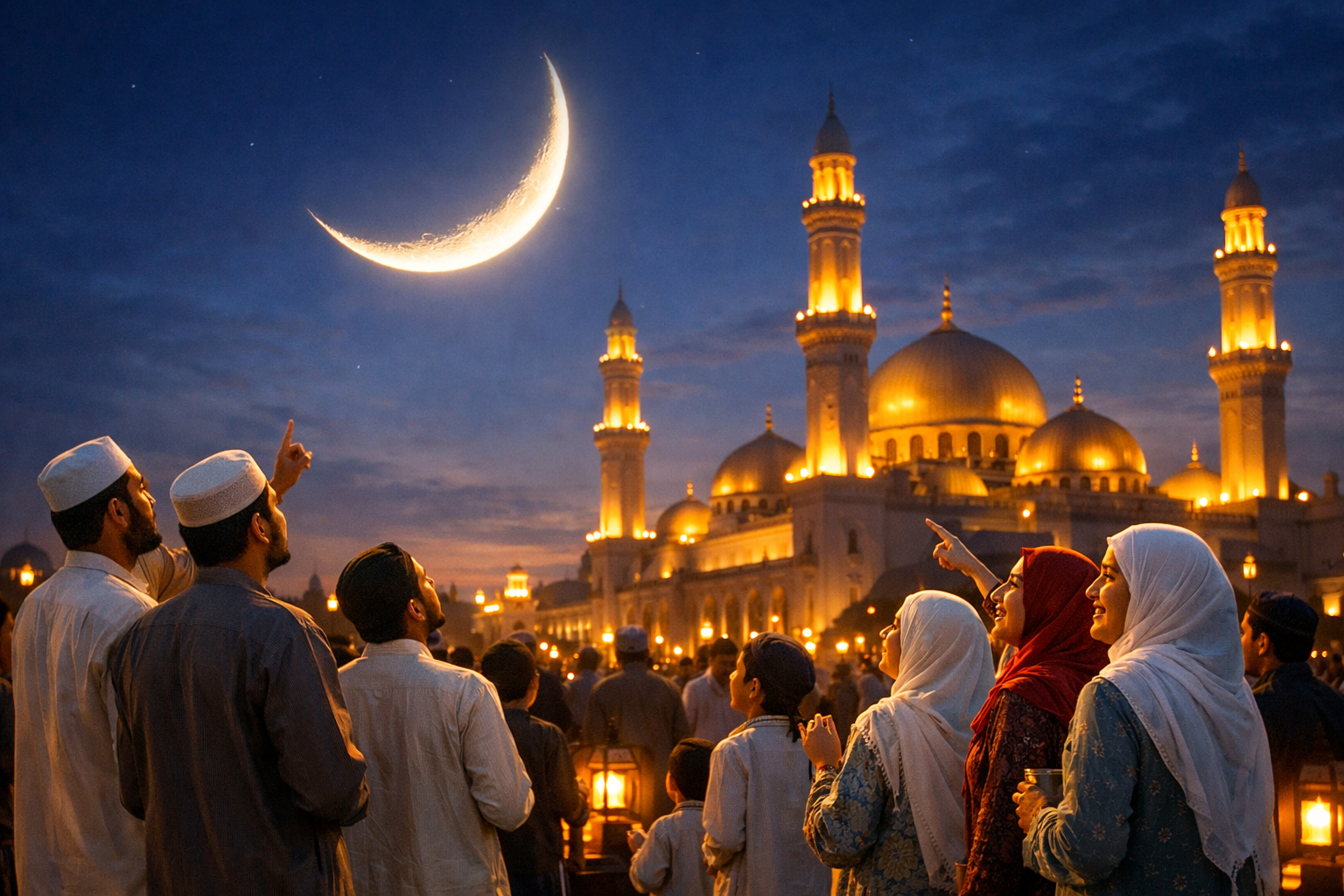
In South Africa, Islamic authorities have confirmed that Eid ul Fitr will be celebrated on March 21, 2026, after no confirmed sighting of the crescent moon on March 19.
According to astronomical observations:
- The moon was too young (less than 15 hours old) to be visible
- Weather conditions further reduced visibility chances
- As per Islamic tradition, Ramadan completes 30 days if the moon is not sighted on the 29th night
As a result, the month of Ramadan will complete its full cycle, and Eid will be observed the following day.
Countries Celebrating Eid on March 20
Several countries confirmed moon sighting earlier and will celebrate Eid on March 20, including:
- Saudi Arabia
- UAE
- Qatar
- Egypt
- Morocco
- Belgium
This creates a familiar global divide where Gulf countries celebrate earlier, while South Asia and parts of Africa follow a day later.
The Science Behind Different Eid Dates
The variation in Eid dates is primarily due to moon visibility, which depends on several factors:
🌙 Key Reasons:
- Age of the moon (must be visible to the naked eye)
- Geographic location
- Sunset timing differences
- Weather conditions
- Local religious authority decisions
Since the Islamic calendar is based on the lunar cycle, the beginning of Shawwal (Eid day) is determined by the sighting of the crescent moon.
Why Eid is Not Celebrated on the Same Day Worldwide
This question arises every year, and the answer lies in Islamic jurisprudence and tradition.
Different countries follow different methods:
- Some rely strictly on local moon sighting
- Some accept international sightings
- Others combine astronomical calculations with traditional practices
These variations are considered valid within Islamic teachings, meaning the difference is not a conflict but a reflection of diversity.
Eid ul Fitr in South Africa: Traditions and Celebrations
Despite the date difference, the spirit of Eid remains unchanged.
In South Africa, celebrations include:
- Early morning Eid prayers in mosques and open grounds
- Family gatherings and festive meals
- Charity and Zakat distribution
- Community events in cities like Johannesburg, Cape Town, and Durban
The festival reflects unity, gratitude, and togetherness across diverse communities.
A Shared Festival Despite Different Dates
Even though Eid is celebrated on different days globally, its core values remain universal:
- Gratitude after a month of fasting
- Charity and compassion
- Strengthening family and community bonds
For many families with relatives abroad, this also becomes an opportunity to celebrate Eid over two days, connecting across borders.