




































































































































































































































































































































































































































































US Inflation Rises to 3.7% in September as Gasoline Prices Surge 9.1%
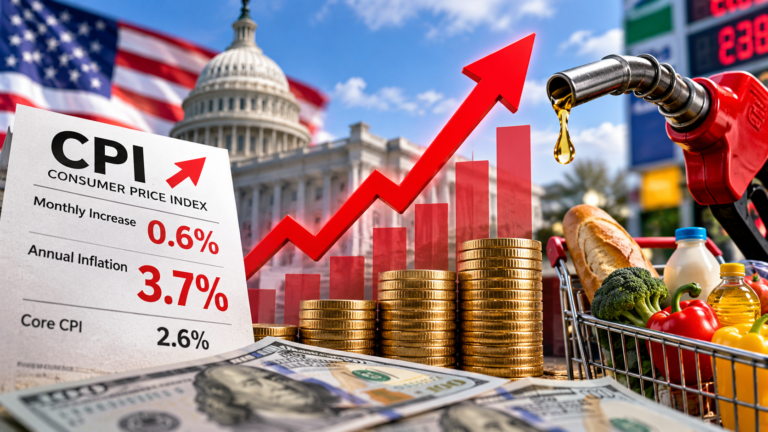
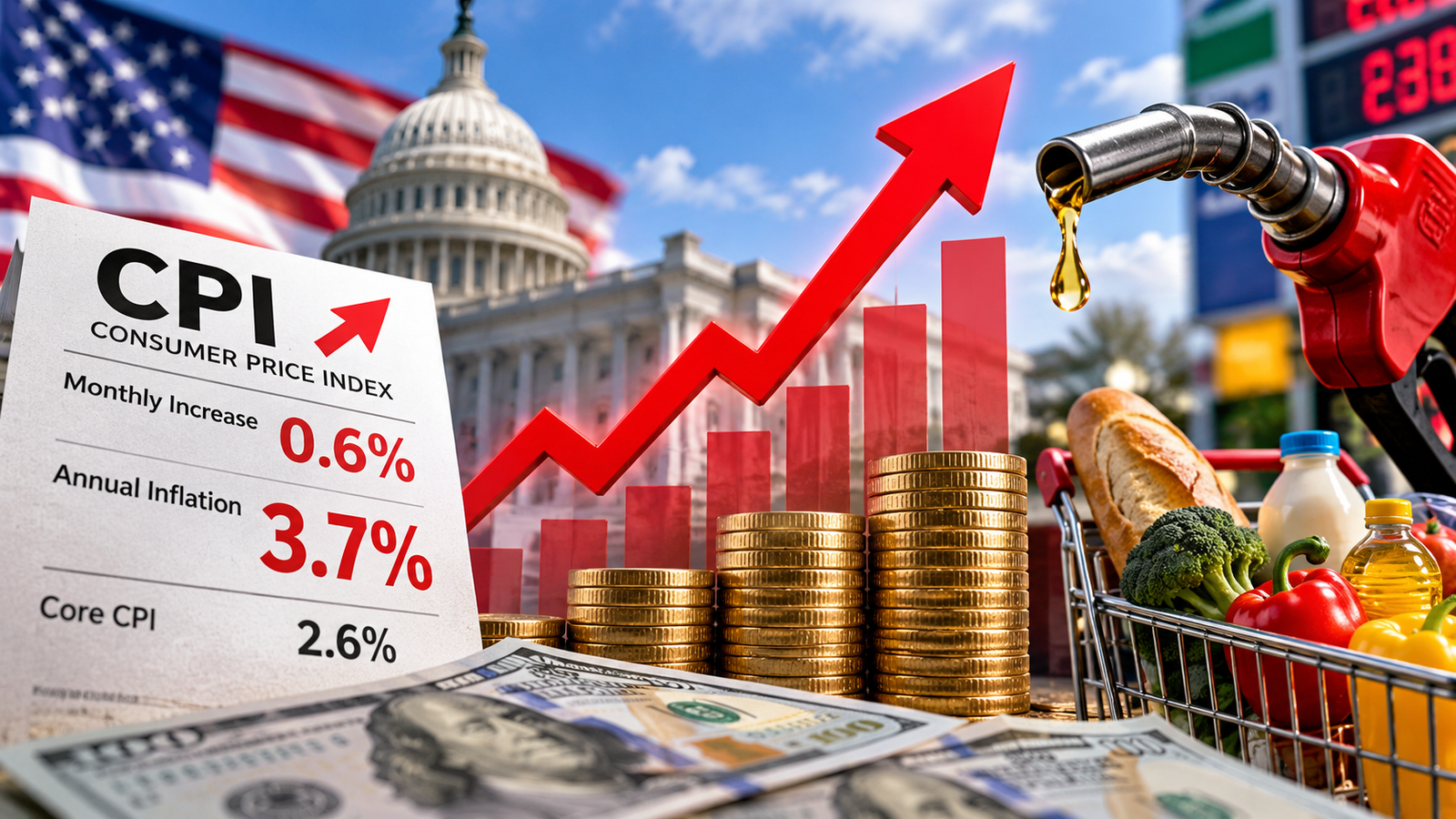
Consumer prices in the United States accelerated in September 2026, with annual inflation reaching 3.7% as surging gasoline prices increased pressure on household budgets. According to the Bureau of Labor Statistics (BLS), the Consumer Price Index (CPI) rose 0.6% from the previous month, matching economists’ monthly forecast but exceeding their 3.6% estimate for annual inflation.
The latest figures indicate that inflation remains significantly above the Federal Reserve’s 2% target, complicating the outlook for interest rates and the broader US economy.
US Inflation Data: Key Highlights
- Annual CPI inflation: 3.7% in September
- Monthly CPI increase: 0.6%
- Core CPI inflation: 2.6% year over year
- Monthly core CPI increase: 0.3%
- Gasoline prices: Up 9.1% during September
- Energy index: Increased 5.2% during the month
Gasoline Prices Drive Inflation Higher
Energy costs were the primary driver of September’s inflation increase. The overall energy index rose 5.2%, while gasoline prices climbed 9.1% during the month, accounting for approximately half of the increase in headline CPI.
Over the past 12 months, gasoline prices have increased 34.2%, while fuel oil prices have surged 74.2%. Continued geopolitical tensions involving the United States and Iran have contributed to concerns about energy supplies and fuel costs.
Higher fuel prices can affect household spending directly and increase transportation and distribution costs for businesses. If these increases persist, they could place additional pressure on prices across the economy.
Core Inflation Remains Above the Fed’s Target
Core CPI, which excludes volatile food and energy prices, increased 0.3% in September and rose 2.6% compared with the same month last year.
Both figures exceeded economists’ expectations of 0.2% monthly growth and 2.5% annual inflation.
The core inflation measure suggests that price pressures extend beyond energy, although September’s headline increase was heavily influenced by fuel costs.
Food, Housing and Used-Car Prices
Price movements varied across other major consumer categories.
Food prices remained unchanged in September but were 2.5% higher than a year earlier. Shelter costs, an important component of consumer inflation, increased 0.4% during the month.
Used cars and trucks also became more expensive, with prices rising 0.7% in September.
These increases matter because housing and transportation account for significant portions of many households’ budgets. Continued price pressures in these categories could make it more difficult for consumers to manage everyday expenses.
Federal Reserve Faces a Difficult Interest-Rate Decision
The latest inflation report arrives ahead of the Federal Open Market Committee’s October 27–28 meeting. The September CPI reading is the final consumer inflation report available to policymakers before that meeting.
According to the report, the Federal Reserve raised its benchmark interest-rate target by 0.25 percentage points in September, taking the federal funds rate to a range of 3.75%–4%.
Markets had expected the Fed to hold rates steady in October while considering another increase in December. However, the jump in energy prices has complicated that outlook.
Higher interest rates can help restrain demand and inflation, but they also increase borrowing costs for households and businesses. Policymakers must therefore balance the risk of persistent inflation against the possibility of slowing economic activity.
Energy-driven inflation can be particularly difficult to address because interest-rate increases cannot directly resolve supply disruptions or geopolitical tensions affecting oil prices.
Stock Futures Fall as Bond Yields Rise
Financial markets reacted to the September inflation figures. US stock futures moved lower, while bond yields rose following the release.
Interest-rate expectations also shifted. The report indicated that futures traders raised the implied probability of an October rate hike to approximately 44%.
These market expectations can change as new economic data and Federal Reserve statements become available. They should not be interpreted as a confirmed decision by policymakers.
Investors are likely to monitor upcoming inflation, employment and economic growth data for further clues about the direction of monetary policy.
What Could Happen Next?
The September inflation report reinforces concerns that the US economy could face renewed price pressure if elevated energy costs spread to other goods and services.
The BLS was scheduled to release September’s Producer Price Index (PPI), which measures changes in prices received by domestic producers, on Thursday. The figures could provide additional information about cost pressures further up the supply chain.
The Federal Reserve also considers the Personal Consumption Expenditures (PCE) price index its primary inflation gauge for forecasting and policymaking. September’s PCE data were expected later in October.
For consumers, sustained inflation could mean continued pressure on purchasing power. For businesses, higher fuel and transportation costs could squeeze margins or lead to further price increases.
For investors, the central question is whether the rise in energy prices will remain a temporary supply shock or contribute to broader, more persistent inflation.
The latest CPI report does not settle that question, but it shows that the Federal Reserve’s progress toward its 2% inflation target remains uncertain.