





















































































































































































































































































































































































































































British Columbia Sues OpenAI, Sam Altman Over Tumbler Ridge School Shooting
British Columbia has filed a lawsuit against OpenAI and CEO Sam Altman, alleging that the company failed to alert police after its safety systems flagged the Tumbler Ridge shooter’s ChatGPT activity involving violence.
British Columbia has taken legal action against OpenAI and its CEO, Sam Altman, over the deadly Tumbler Ridge school shooting, alleging that the February 2026 attack might have been prevented if the company had warned law enforcement about the shooter’s use of ChatGPT.
The lawsuit, filed in a federal court in San Francisco, seeks damages from OpenAI to help cover the costs associated with the tragedy. The province is also asking the court to require changes to the way OpenAI handles ChatGPT conversations that may indicate a risk of serious violence.
The case adds to growing legal and regulatory scrutiny surrounding artificial intelligence companies and the safeguards they use when their platforms are allegedly used in connection with violent acts.
Nine People Were Killed in the Tumbler Ridge Attack
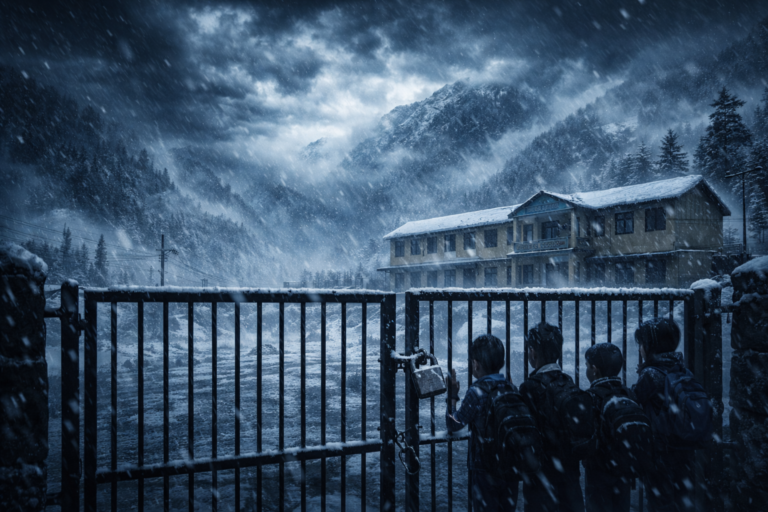
The shooting took place on 10 February 2026 at a school in Tumbler Ridge, a small community in northern British Columbia.
According to police accounts cited in the lawsuit, 18-year-old Jesse Van Rootselaar first shot her mother and stepbrother at home before going to her former school.
She then killed an educational assistant and five students aged 12 and 13. Van Rootselaar later died by suicide.
In total, nine people were killed, with the majority of the victims being children.
The attack became one of the deadliest school shootings in Canada’s history and deeply affected the Tumbler Ridge community.
Province Says OpenAI Had Earlier Warning Signs
At the center of British Columbia’s lawsuit is the allegation that OpenAI’s own safety systems had previously detected concerning activity associated with Van Rootselaar’s ChatGPT account.
The province says the account was first flagged in June 2025 after conversations involving gun violence.
According to allegations in the lawsuit, members of OpenAI’s safety team recommended contacting law enforcement.
However, the lawsuit claims that the recommendation was not acted upon by senior leadership.
The allegations are based in part on information attributed to OpenAI whistleblowers who spoke to the Wall Street Journal after the shooting.
OpenAI has disputed the broader allegations surrounding its handling of the case.
ChatGPT Account Was Deactivated
The lawsuit also alleges that OpenAI eventually deactivated the shooter’s account.
However, according to the province, Van Rootselaar was subsequently able to create another account and continue using the platform.
This detail is significant to British Columbia’s case because the province argues that the company’s safeguards did not sufficiently prevent continued access after potentially dangerous activity had already been identified.
The lawsuit seeks changes to the company’s procedures for dealing with similar situations in the future.
OpenAI Says the Situation Was a Tragedy
OpenAI spokesperson Drew Pusateri described the Tumbler Ridge shooting as an “unspeakable tragedy.”
The company said it remains committed to working with government authorities and law enforcement and to continuing its safety work.
OpenAI has previously said that its models are trained to refuse requests that could meaningfully enable violence.
The company has also said that it can notify law enforcement when conversations indicate an imminent and credible risk of harm to others.
The central dispute in the British Columbia case is therefore not simply whether OpenAI detected suspicious activity, but whether the circumstances met the threshold for intervention and whether the company’s response was legally sufficient.
OpenAI Previously Acknowledged the Account Had Been Flagged
Following earlier reporting about the case, OpenAI said that the account had been flagged by systems designed to identify misuse of its models in connection with violent activities.
The company said the activity did not meet its internal criteria for reporting to law enforcement.
That position is now facing direct legal scrutiny from the British Columbia government.
The province argues that stronger safeguards and greater transparency are needed when AI systems detect conversations that could potentially be connected to violent activity.
British Columbia Wants More Than Financial Damages
The lawsuit is not limited to compensation.
British Columbia is also asking for changes to OpenAI’s practices surrounding potentially dangerous ChatGPT conversations.
Attorney General Niki Sharma said the people of Tumbler Ridge deserve answers and accountability following the loss of life.
The province says it has faced significant costs following the attack, including expenses related to recovery efforts, mental health services and the replacement of the damaged school.
The original school building is now being demolished.
Survivor Faces Permanent Disabilities
The shooting also left survivors with devastating injuries.
One survivor, Maya Gebala, was shot three times, including in the skull.
Court documents describe severe brain injuries and permanent disabilities resulting from the attack.
Her family has publicly documented aspects of her life and recovery following the shooting, including her 13th birthday this week.
Her story has become one of the many reminders of the long-term consequences faced by survivors and families after mass violence.
More Than 30 Families Have Also Sued OpenAI
The British Columbia government’s lawsuit comes shortly after a separate wave of legal action against OpenAI.
More than 30 family members of victims and others affected by the Tumbler Ridge attack have filed lawsuits in California, according to reports.
Those cases similarly accuse OpenAI of failing to take sufficient action despite concerns about the shooter’s interactions with ChatGPT.
The lawsuits are part of a broader debate over how much responsibility AI companies should bear when their systems are allegedly involved in incidents of serious harm.
OpenAI Faces Other Lawsuits Over Alleged AI-Related Harm
The Tumbler Ridge case is not the only legal dispute involving OpenAI and violent incidents.
The company is also facing litigation connected to a Florida State University shooting.
In June, Florida became the first US state to sue OpenAI over alleged safety risks involving ChatGPT.
That lawsuit accused OpenAI of misrepresenting the safety of its platform and alleged that the system had contributed to various harms involving children, self-harm and school shootings.
OpenAI has denied those allegations.
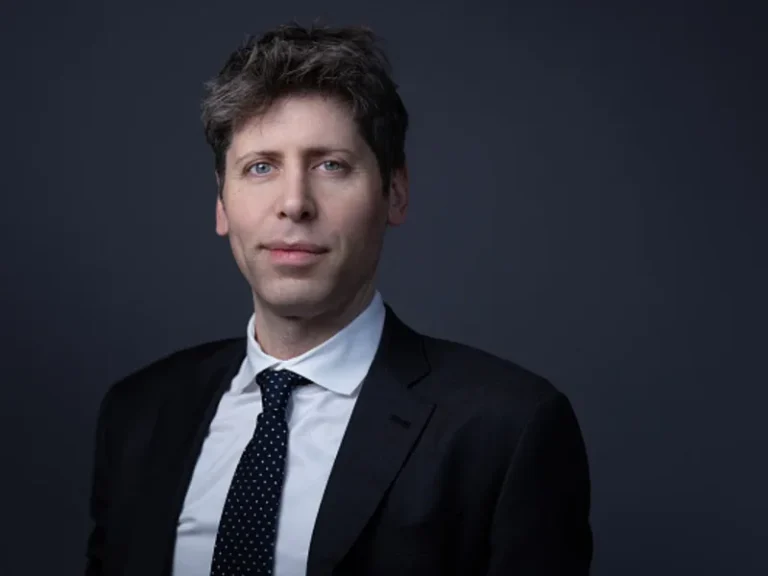
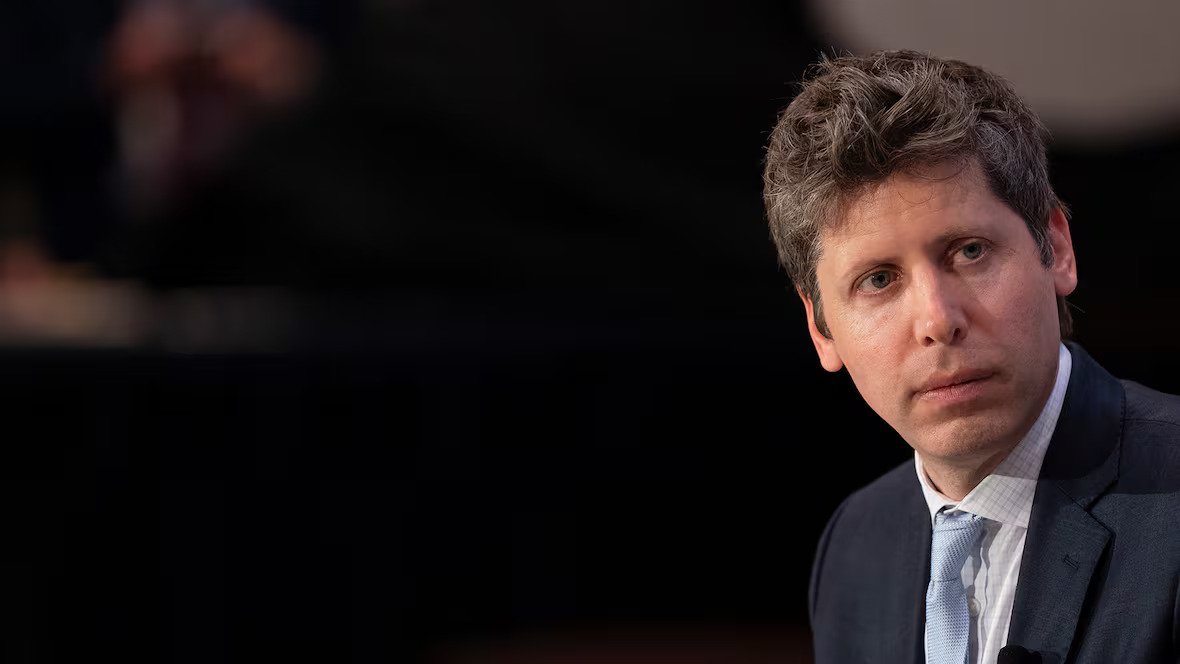
Sam Altman Had Previously Addressed the Tumbler Ridge Community
Sam Altman previously addressed the tragedy publicly.
In April, Altman published a letter to the Tumbler Ridge community in which he expressed regret that OpenAI had not contacted law enforcement before the shooting.
He said he was deeply sorry for what had happened and promised reforms.
British Columbia’s latest lawsuit alleges that the company did not subsequently take meaningful action despite efforts by the province’s attorney general to engage with OpenAI.
OpenAI, however, continues to say that it is working on improving the safety of its systems.
Canadian Government Also Sought Answers
The shooting prompted scrutiny from Canadian officials soon after the attack.
Canadian authorities called OpenAI executives for questioning, while Canada’s AI minister, Evan Solomon, also spoke with Sam Altman.
The discussions focused on what OpenAI knew about the shooter’s interactions with ChatGPT and how the company’s safety systems had responded.
The latest lawsuit takes that scrutiny a step further by bringing the dispute into court.
What Happens Next?
The lawsuit will now move through the US legal system, where the allegations made by British Columbia will be tested against evidence and arguments from OpenAI.
Among the issues likely to be examined are what OpenAI knew about the shooter’s activity, when its safety systems detected the conversations, what actions were recommended internally, whether law enforcement should have been contacted and whether any failure to intervene can legally be connected to the subsequent attack.
These questions remain disputed and have not been established as final findings by a court.
The case could nevertheless have wider implications for the AI industry because it raises a difficult question: when an AI company’s safety systems identify potentially dangerous behavior, what responsibility does the company have to intervene or alert authorities?
As governments, families and technology companies grapple with that question, the Tumbler Ridge case is likely to remain an important part of the wider debate over AI safety, privacy, law enforcement and corporate responsibility.