








































































































































































































































































































































































































































































The First New Sunscreen Ingredient in 25 Years Hits US Shelves
A new sunscreen ingredient is making headlines in the United States, offering broad-spectrum sun protection without the white cast often associated with traditional mineral sunscreens. Bemotrizinol, also known as BEMT, has become the first new sunscreen active ingredient approved by the US Food and Drug Administration (FDA) in more than 25 years, according to the report published by Yahoo on October 16, 2026.
The ingredient has already been used in Europe since 2000 and is also available in countries including Australia, Canada and several Asian markets. Its arrival in US sunscreen products could give consumers another option for protecting their skin against harmful ultraviolet (UV) radiation.
What Makes BEMT Different?
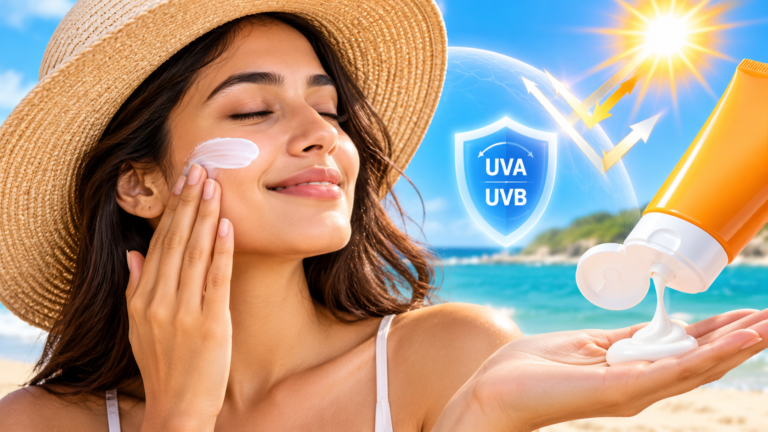
Bemotrizinol is a chemical UV filter that absorbs both UVA and UVB rays. UVA radiation is associated with premature skin aging, while UVB radiation is a major cause of sunburn. Both types of UV exposure can contribute to skin cancer.
Traditional mineral sunscreens containing zinc oxide or titanium dioxide can provide broad-spectrum protection, but some formulations leave a visible white residue on the skin. This can discourage people from wearing sunscreen regularly, particularly those who prefer products that blend seamlessly into their skin.
Older chemical filters can offer a more transparent finish, but multiple active ingredients are often needed to provide comparable UVA and UVB coverage. BEMT can absorb both types of radiation while offering a formulation that may feel lighter and leave less visible residue.
Another advantage is its photostability, meaning it does not break down as quickly under sunlight as some other UV filters. However, users should still follow the product label and reapply sunscreen as directed, including after swimming or sweating.
Why the White Cast Matters
The appearance and texture of sunscreen can influence whether people use it consistently. A 2024 study cited in the report found that approximately one-quarter of people of color identified white cast as a reason for preferring not to wear sunscreen, compared with 7% of white respondents.
Dermatology experts say sunscreen needs to fit comfortably into people’s daily routines. If a product leaves a noticeable residue or feels unpleasant, consumers may be less likely to apply it regularly.
Although newer mineral sunscreen formulations have improved, BEMT could provide another option for people who want broad-spectrum protection without a chalky finish.
Sunscreen Misinformation Remains a Challenge
Appearance is not the only factor affecting sunscreen use. Some consumers question the safety of sunscreen ingredients, worry about vitamin D levels or believe that certain chemicals are harmful.
Dermatologists have cautioned against treating these concerns as proof that sunscreen is unsafe. While some chemical sunscreen ingredients can be detected in the bloodstream after application, detecting an ingredient does not automatically mean it causes harm.
Social media can also complicate the discussion. Research cited in the report found that sunscreen-related misinformation on TikTok can attract substantial engagement, potentially spreading misleading claims about sun exposure and skin protection.
Experts emphasize that concerns about sunscreen should be evaluated using reliable scientific evidence rather than viral posts or unsupported claims.
Could BEMT Change Consumer Behaviour?
BEMT may appeal to consumers who want effective sun protection without a visible white cast. Its molecular properties also mean it is not expected to penetrate the skin in the same way as some smaller chemical sunscreen filters, according to the dermatology expert quoted in the report.
However, introducing a new ingredient may not be enough to change the minds of people who distrust sunscreen altogether. Price, product availability, skin feel, individual preferences and confidence in scientific guidance may all influence whether consumers adopt it.
For people who have avoided sunscreen because of its appearance or texture, BEMT-containing products could offer an additional choice. The longer-term question is whether that improved experience will translate into more consistent sunscreen use.
For now, dermatologists continue to recommend broad-spectrum sun protection as part of a comprehensive approach to reducing UV exposure. Consumers should choose a suitable product, follow its directions and reapply it as instructed.