

























































































































































































































































































































































































































💰 Indian Banks Resume Gold Imports After Month-Long Halt


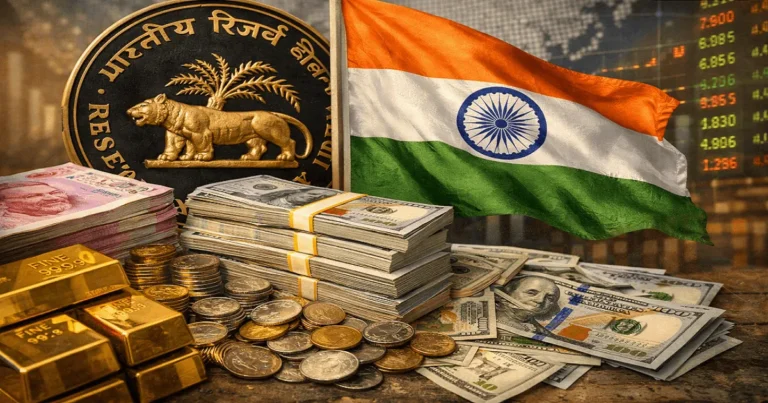
Indian banks have resumed importing gold and silver after a month-long pause triggered by a 3% Integrated Goods and Services Tax (IGST) levy imposed at customs clearance points.
According to Reuters sources, banks have now agreed to pay the levy in order to restart shipments, ending weeks of disruption in India’s bullion supply chain.
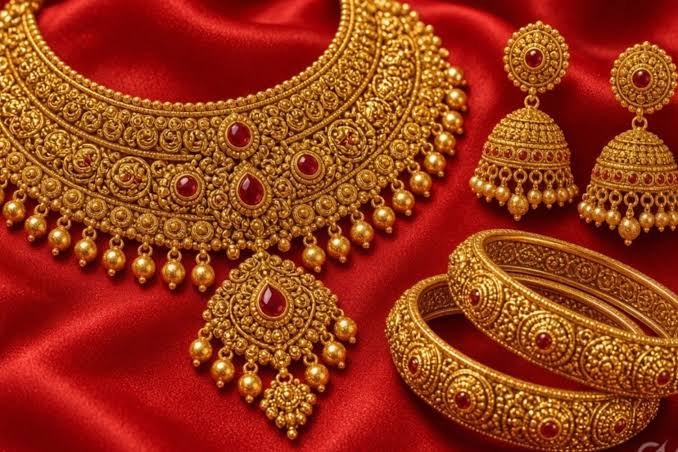
The development is expected to increase gold imports into India, support global bullion prices, and help jewellers replenish inventory ahead of the festive and wedding season.
📉 Why Did Gold Imports Stop?
Banks, which handle the majority of India’s refined gold imports, had suspended shipments from April 1, 2026 after customs authorities started demanding payment of the 3% IGST.
Since the introduction of the IGST regime in 2017, gold-importing banks had generally been exempted from paying this levy annually through government notifications.
However, this year the exemption order was reportedly delayed, creating uncertainty in the bullion trade.
A senior bullion desk executive at a Mumbai-based private bank said banks waited for over a month expecting the government to issue the exemption order, but eventually resumed imports after realizing the government wanted to discourage excessive gold imports.
🏦 Banks Start Clearing Gold & Silver Shipments
Trade and government sources revealed that banks have started clearing bullion consignments by paying the IGST directly.
So far in May 2026:
| Metal | Quantity Cleared |
|---|---|
| Gold | 9 Metric Tons |
| Silver | 34 Metric Tons |
The move has improved bullion availability in the domestic market after severe supply shortages during April.
📊 India’s Gold Imports Hit Near 30-Year Low
Due to the import disruption, India’s gold imports in April 2026 are estimated to have fallen to nearly a 30-year low of around 15 metric tons.
India is the world’s second-largest gold consumer after China, making bullion imports extremely important for the jewellery sector and the broader economy.
Lower imports during April affected inventory levels across jewellery markets and bullion dealers.
💸 Impact On Rupee & Trade Deficit
Economists believe the resumption of gold imports could widen India’s trade deficit and place additional pressure on the Indian rupee.
India already spends billions of dollars annually on bullion imports, which directly impacts foreign exchange reserves.
Amid rising concerns over the country’s balance of payments, Narendra Modi recently urged citizens to avoid buying gold for one year in order to help conserve foreign exchange reserves.
📈 Gold Prices May Get Support
Analysts say stronger Indian demand could support international gold and silver prices in the coming months.
However, domestic demand currently remains weak despite improved supply.
According to bullion importer Amrapali Group Gujarat, gold is currently trading at discounts of up to $17 per ounce in India due to sluggish buying interest.
The discounts are being offered over official domestic prices, including import duty and sales taxes.
🔮 What Happens Next?
The bullion market will now closely watch whether the Indian government formally restores the IGST exemption for banks or continues with the current taxation structure.
If imports continue smoothly, jewellery retailers are expected to stabilize inventory levels ahead of upcoming festive demand and wedding purchases.
At the same time, higher bullion imports could create fresh challenges for India’s trade balance and currency stability during FY2026-27.