




































































































































































































































































































































































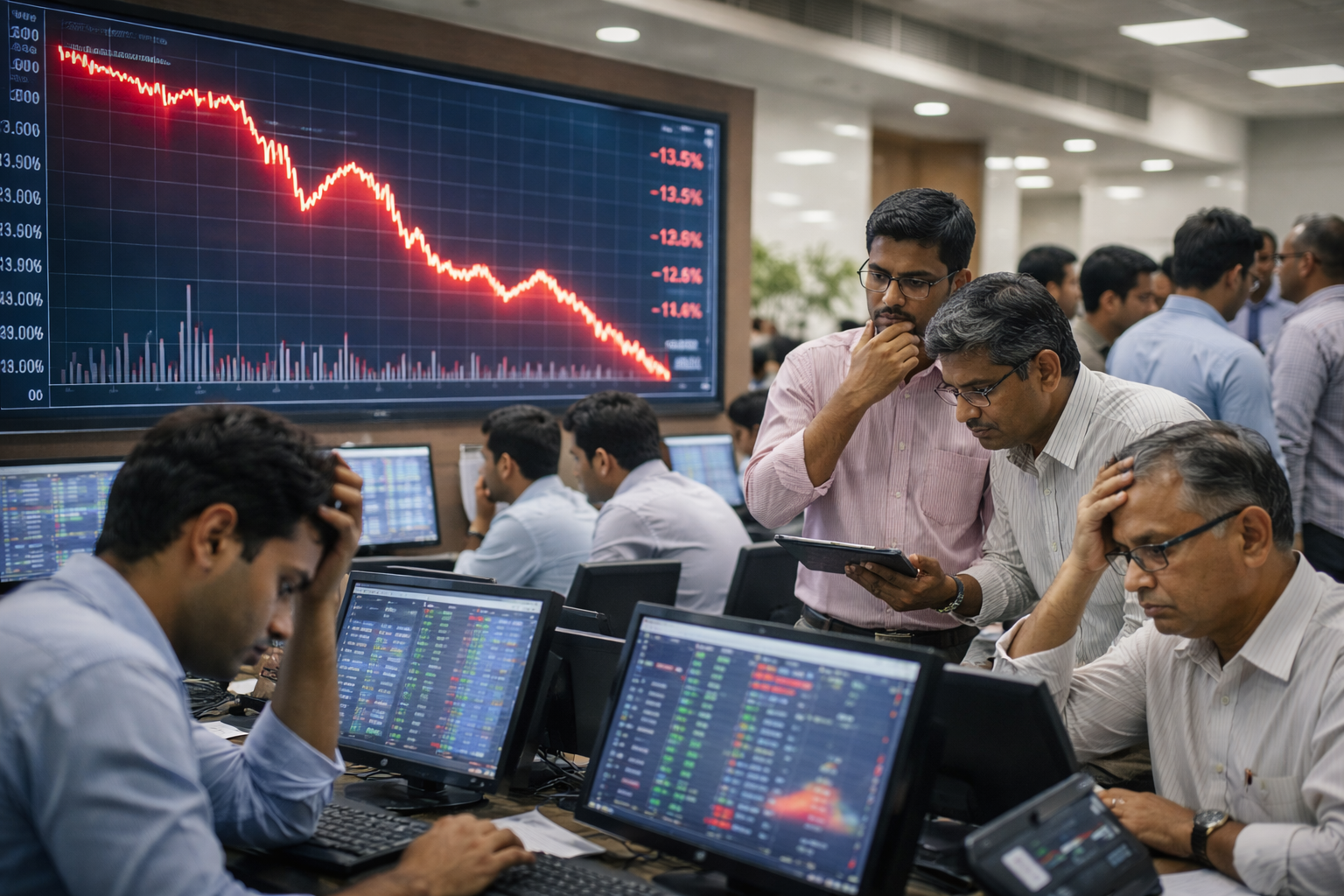
Shares of UPL witnessed a sharp decline in trading on February 23, 2026, with the stock tumbling as much as 14% following the company’s announcement of a major corporate restructuring plan.
The sell-off came after UPL unveiled a complex reorganisation strategy intended to consolidate its India and international crop protection businesses into a new listed entity, known as UPL Global. Under the scheme, various subsidiaries — including UPL Sustainable Agri Solutions and UPL Crop Protection Holdings — will merge and be vertically demerged to form the pure-play crop protection platform, while the legacy UPL continues as the parent diversified agriculture and speciality chemicals company.
📉 Market Reaction & Price Moves
On Monday’s trade, UPL’s share price slid sharply, with intraday lows around ₹639–₹650 on the National Stock Exchange, reflecting heightened selling pressure after the announcement.
🧠 What Analysts Are Saying
Market analysts and brokerages offered mixed views on the restructuring:
🔹 Debt and Leverage Concerns: Many analysts flagged that the plan does not materially reduce overall leverage, leaving the company’s significant debt burden largely intact. This unresolved debt overhang was cited as a key reason for the negative market sentiment.
🔹 Dilution and Execution Risk: Some brokerages noted potential dilution of shareholder value post-restructuring and warned about execution risks, given the multi-step merger and demerger process.
🔹 Brokerage Revisions: Nuvama Institutional Equities downgraded the stock rating from a positive outlook to ‘Hold’, despite slightly raising its future target price, citing ongoing risks and limited near-term clarity.
🔹 Sector Headwinds: Traders and market commentators also pointed to broader volatility in the agrochemical sector and technical sell-offs once key support levels were breached, which amplified the downward pressure.
📊 Strategic Rationale Still Intact
Despite the market’s initial negative reaction, management maintains that the reorganisation aims to unlock long-term value, sharpen strategic focus, and provide investors with clearer investment choices between diversified and pure-play crop protection businesses. The transition to separate listed platforms could eventually attract distinct valuation multiples tied to each business’s growth trajectory.