






















































































































































































































































































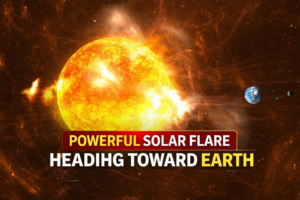
The Sun has been releasing a series of intense solar flares since February 1, prompting major space agencies, including Indian Space Research Organisation (ISRO) and NASA, to closely monitor the evolving space weather conditions.
According to experts, these powerful solar eruptions could lead to strong radio blackout events, affecting communication and navigation systems across parts of the globe.
What Are Solar Flares and Why Are They Important?
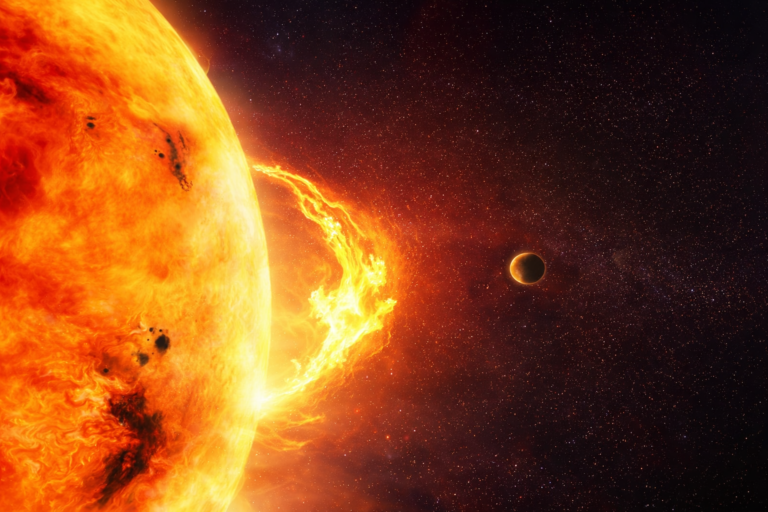
Solar flares are massive bursts of electromagnetic radiation released from the Sun’s surface. These emissions travel at the speed of light and reach Earth within minutes.
While solar flares pose no direct danger to humans on the ground, they can significantly disturb the ionosphere, causing:
- Disruption in high-frequency radio communications
- Interference with GPS and navigation signals
- Temporary impact on satellite operations
ISRO Monitoring Over 50 Active Satellites
ISRO officials confirmed that the agency is continuously monitoring more than 50 operational satellites to ensure their safety and functionality during the heightened solar activity phase.
Space scientists are particularly cautious as stronger flares can temporarily degrade satellite signals and communication networks.
NASA Confirms Strongest Solar Flare Since October 2024
NASA, in its latest space weather alert, confirmed that the solar flare activity began on February 1.
“The Sun emitted a strong solar flare, peaking at 7:13 a.m. ET on February 4,” NASA stated.
The event was captured by NASA’s Solar Dynamics Observatory, which continuously observes the Sun to track solar storms and eruptions.
Among the Most Powerful Solar Flares in Decades
Space agencies revealed that:
- This was the brightest solar flare since October 2024
- It ranks among the top 20 most powerful solar flares recorded since 1996
Such high-intensity solar events are rare and closely watched due to their potential impact on modern technology.
Should We Be Worried?
Scientists emphasize that:
- ❌ No threat to human health on Earth
- ⚠️ Possible short-term disruptions to radio, GPS, and satellite communication
- 🛰️ Space agencies remain on high alert
Continuous monitoring ensures early warnings if conditions worsen.