
























































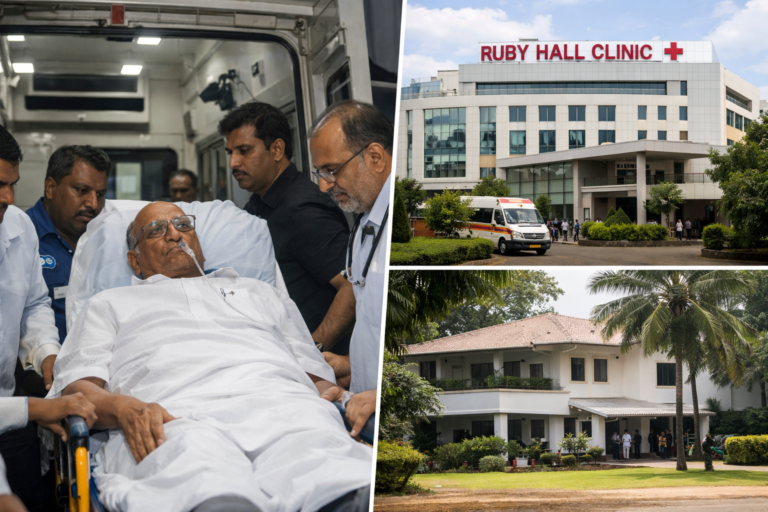




































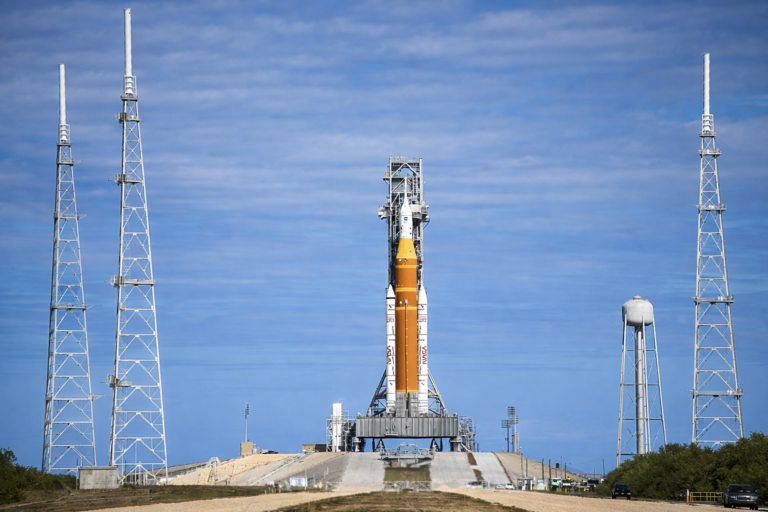






























































































































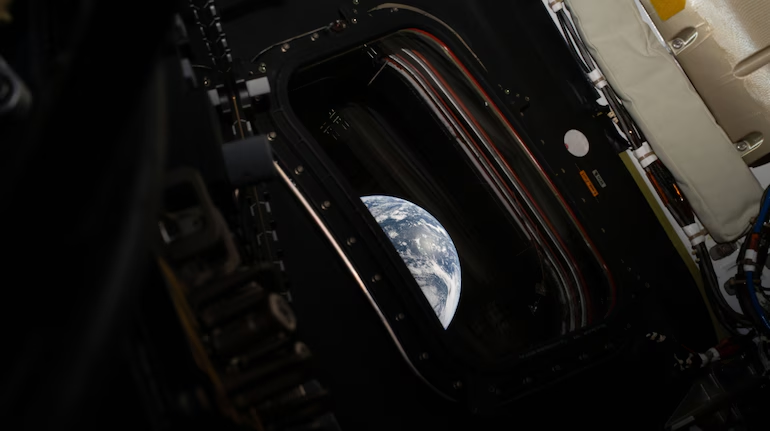
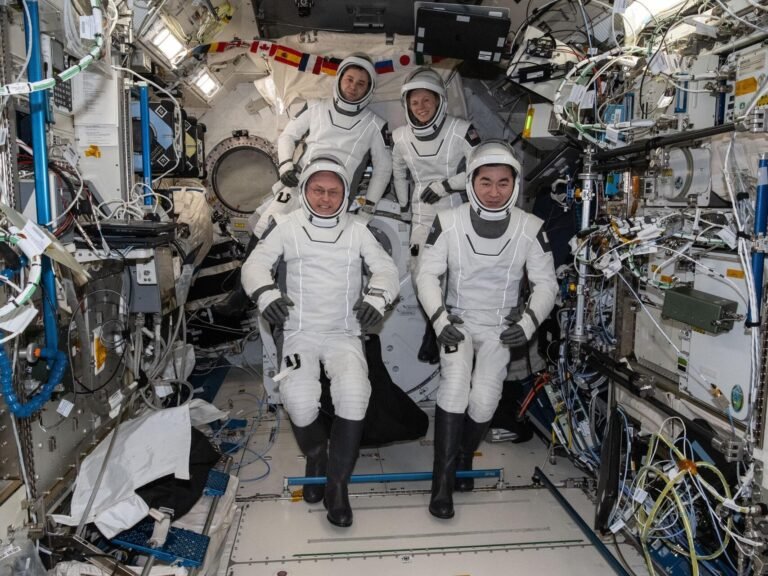









































































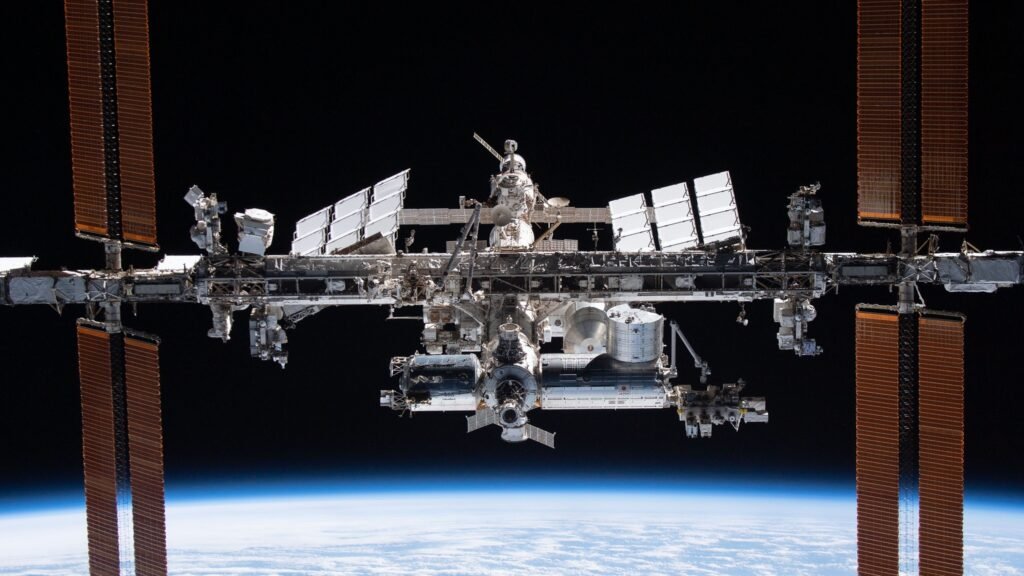
NASA made a rare and critical decision to evacuate Crew-11 astronauts early from the International Space Station after a serious medical incident involving veteran astronaut Michael Fincke.
⚠️ What Happened in Space?
- During the mission, Michael Fincke suddenly lost the ability to speak for ~20 minutes
- ❗ No pain or injury was reported
- 👨🚀 Fellow astronauts noticed distress and alerted ground control immediately
This condition resembles aphasia, often linked to neurological issues like stroke on Earth.
🧠 Why NASA Took Immediate Action
NASA classified this as a high-risk medical situation because:
- 🧬 Sudden speech loss can signal brain-related emergencies
- 🚫 No advanced hospital facilities exist in space
- ⏳ Delaying action could worsen the condition
👉 As a result, NASA initiated the first-ever “controlled medical evacuation” from space.
🚀 What Did NASA Do?
- ❌ Cancelled planned spacewalk
- 📞 Consulted flight surgeons on Earth
- 🛰️ Ordered early return via SpaceX Crew Dragon
- ⏬ Shortened the mission by about one month
The goal was to bring the astronaut back to Earth for full medical evaluation.

🔍 Why This Case Is So Important
This is the first such evacuation in 60+ years of human spaceflight, making it a landmark moment.
Key concerns raised:
- 🧪 How to diagnose neurological issues in space?
- 🏥 Lack of medical infrastructure in orbit
- 🌙 Risks for long missions like Moon & Mars
🌌 Impact on Future Space Missions
NASA and global space agencies may now:
- 🔧 Develop advanced in-space medical tools
- 🧠 Introduce portable brain imaging systems
- 📡 Improve remote diagnostics from Earth
👉 Especially crucial for future deep-space missions where immediate return isn’t possible.
🧾 Simple Explanation
NASA evacuated astronauts early because one crew member suddenly lost the ability to speak, which could indicate a serious brain issue. Since space lacks proper medical facilities, NASA chose to bring them back quickly to ensure safety.