












































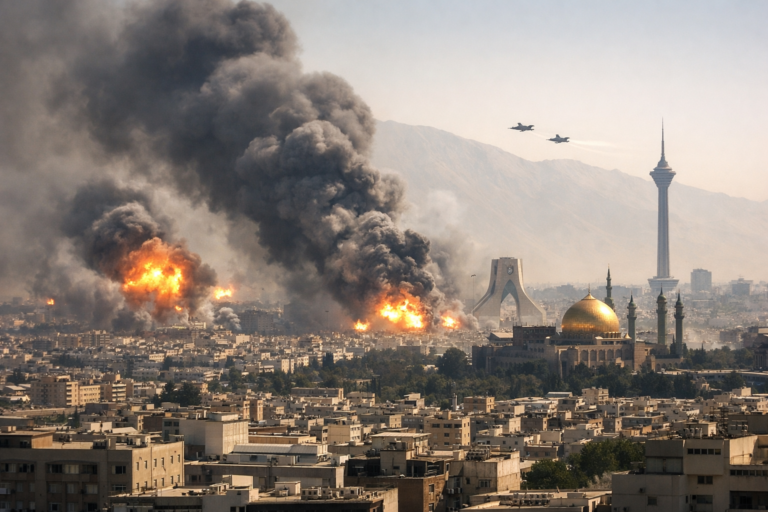













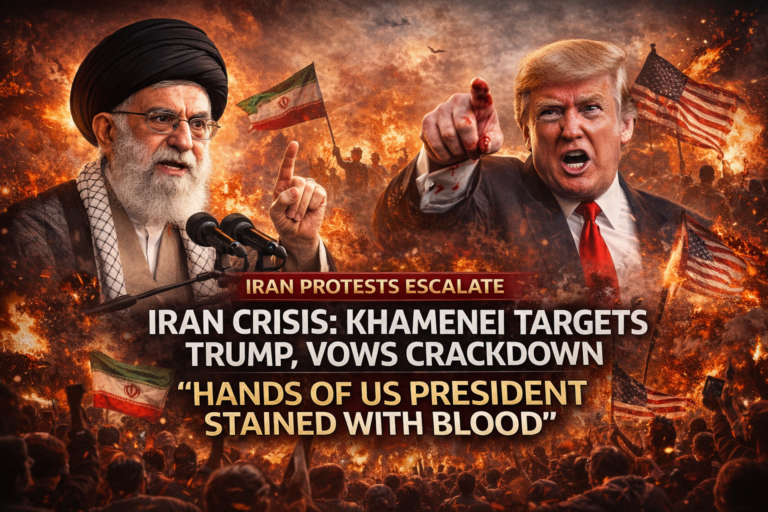




























































































































































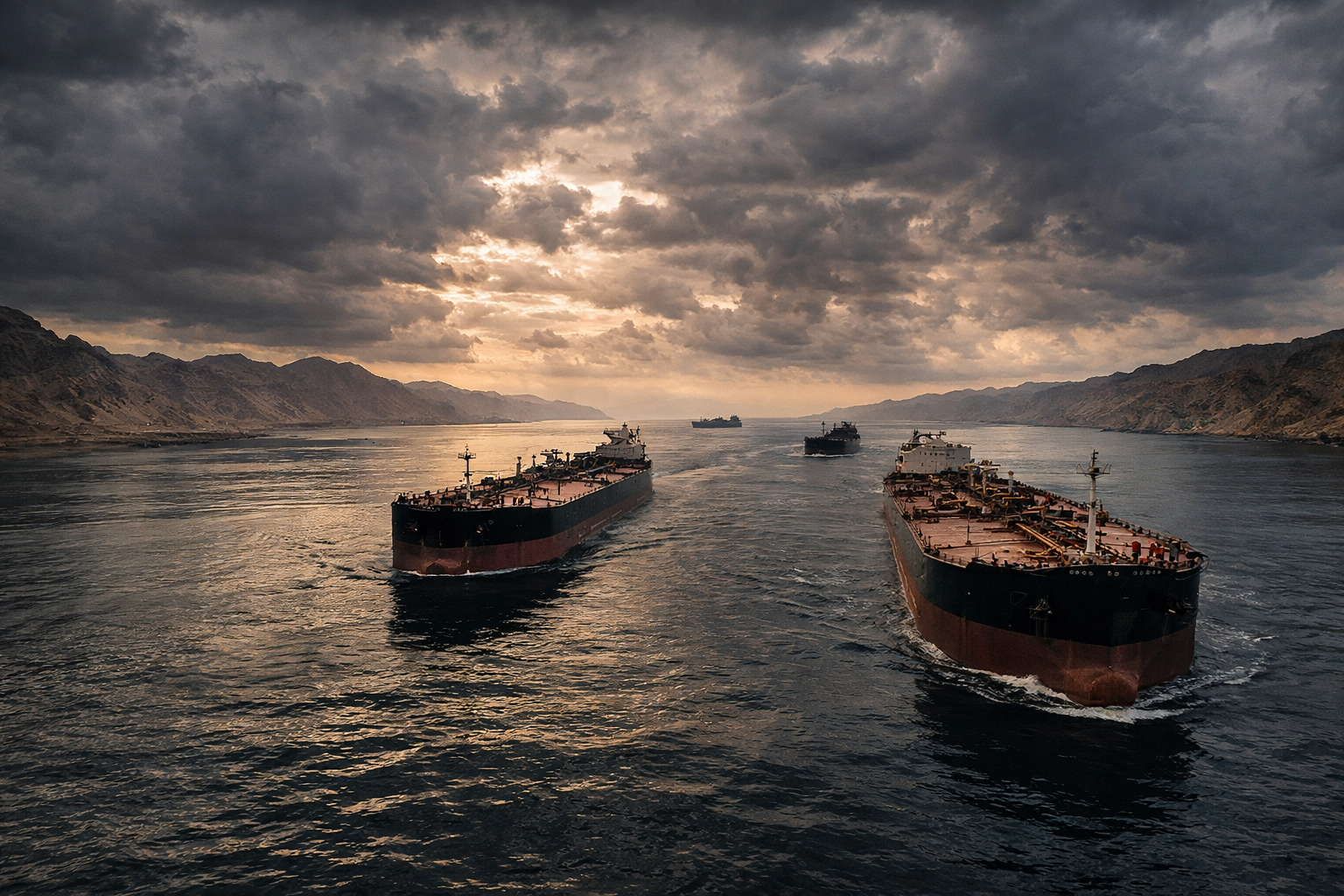
Global oil markets are on edge amid rising geopolitical tensions in West Asia, as fears grow that any disruption in the Strait of Hormuz could sharply push up crude oil prices worldwide. The concern intensified after renewed hostilities involving Israel, the United States, and Iran, raising the risk of temporary or prolonged restrictions in this critical maritime route.
🌍 Why the Strait of Hormuz Matters
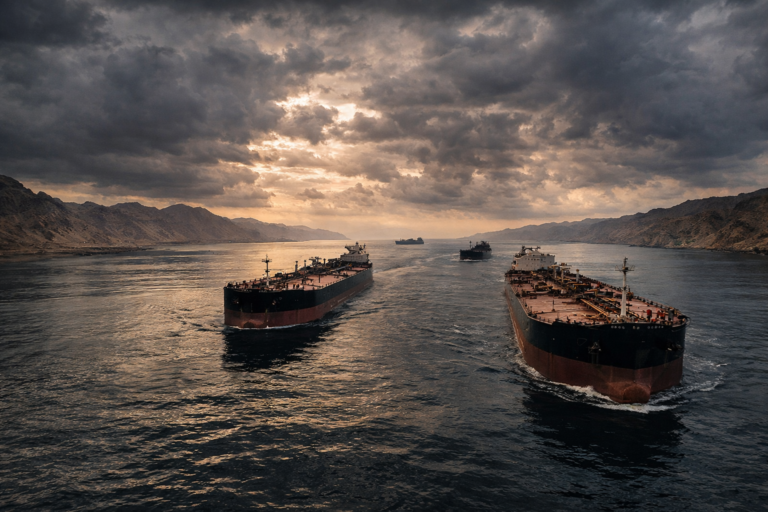
The Strait of Hormuz is one of the world’s most important oil transit chokepoints. Nearly one-fifth of global crude oil and liquefied natural gas (LNG) supplies pass through this narrow waterway connecting the Persian Gulf with international markets.
Even a short-term closure or restriction can have outsized consequences:
- Supply delays to major oil-importing nations
- Reduced tanker traffic, tightening global availability
- Higher shipping and insurance costs, which get passed on to buyers
- Speculative trading, further driving up prices
⚠️ Impact of Escalating West Asia Tensions
Oil traders and analysts are closely monitoring developments after air strikes and counter-actions escalated regional instability over the weekend. While oil trade resumed on Monday (March 2, 2026), the risk premium on crude prices has already begun to rise due to uncertainty over safe passage through the strait.
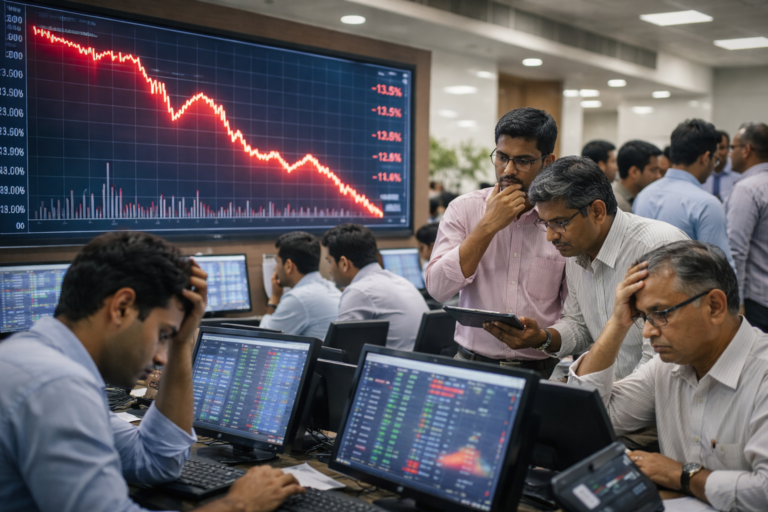
Markets typically react not only to actual supply disruptions but also to the possibility of them. As a result, crude benchmarks often spike on fears alone, even before physical shortages occur.
📈 Why Oil Prices React So Quickly
The closure of a maritime chokepoint like the Strait of Hormuz affects:
- Global supply chains
- Energy security
- Inflation outlooks, especially for fuel-importing economies
Any threat to uninterrupted flow prompts traders to price in future shortages, leading to immediate upward pressure on crude oil prices.
🛢️ What Happens Next?
While there is no confirmation yet of a full shutdown, analysts warn that continued military escalation could make energy markets volatile in the coming days. Governments and oil-importing nations are also assessing contingency plans, including tapping strategic petroleum reserves, if disruptions persist.
🔑 Key Takeaway
The Strait of Hormuz may be geographically small, but its role in global energy trade is enormous. In times of geopolitical conflict, even the hint of its closure is enough to rattle oil markets and fuel fears of rising crude prices worldwide.